Is the Bay Area’s high cost of living pushing you to get creative about homeownership? In San Mateo County, house hacking with an ADU or duplex can help you offset your mortgage, build equity, and add flexibility to your housing plan. You want clear steps, local rules, and realistic paths to make it work. This guide walks you through ADUs, duplex options, financing, timelines, and the due diligence that protects your investment. Let’s dive in.
House hacking basics
House hacking means you live in one part of a property and rent out another. In San Mateo County, the most common approaches are building or buying an accessory dwelling unit (ADU) or owning a duplex. Your goal might be to reduce your monthly payment, generate income, plan for multigenerational living, or boost resale value.
Rental demand in the county is strong, which can support income potential. At the same time, permitting and construction can be complex, and costs vary by city and by project. Success comes from good planning, verified permits, and a realistic budget.
ADUs 101 in San Mateo County
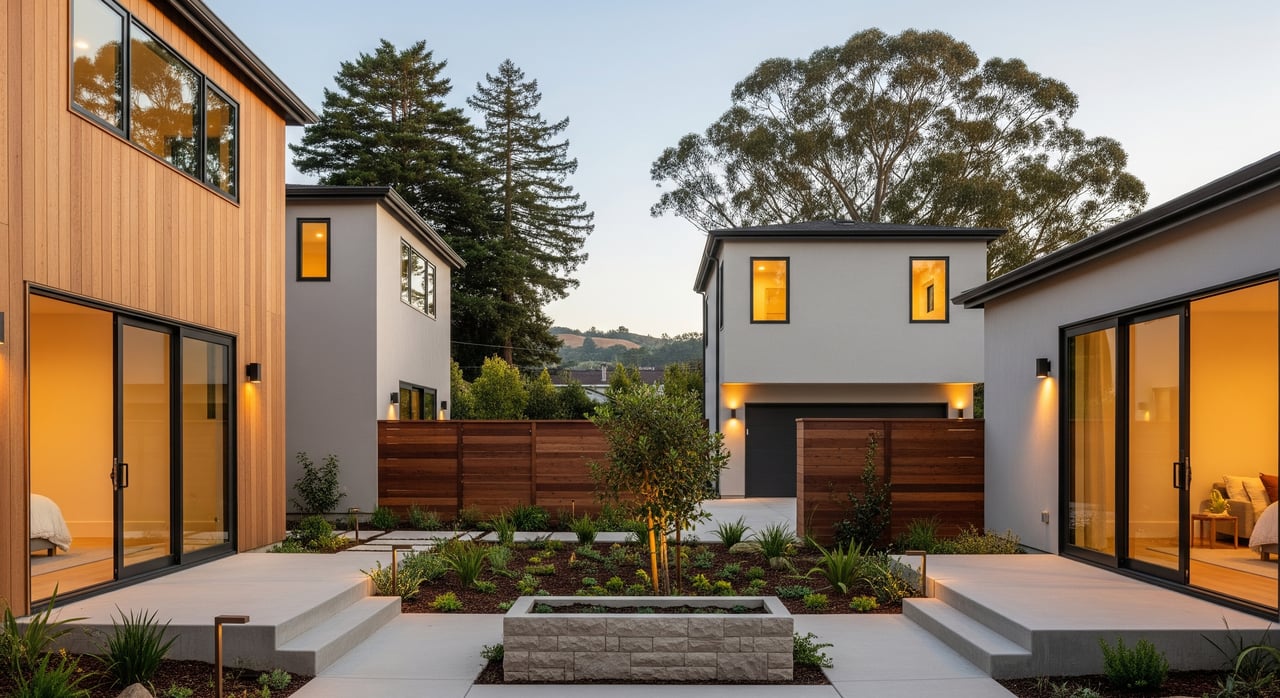
An ADU is a smaller, independent living unit on the same lot as a primary home. Cities across the county process many ADUs under streamlined, ministerial approvals when plans meet objective standards.
ADU types to consider
- Detached ADU: A backyard cottage that is separate from the main home.
- Attached ADU: A unit added onto the main structure.
- Converted ADU: A garage, basement, or interior space converted into a unit.
- Junior ADU (JADU): A smaller unit created within the existing home with different rules.
Why permits matter
A permitted ADU protects you on financing, insurance, and resale. Lenders often will not count income from unpermitted units. Appraisers and buyers also place more value on legal units. Before you buy or build, verify permit status and confirm that final inspections were completed.
Local rules to check
State law encourages ADUs and limits some local barriers, but each city sets objective standards. Confirm:
- Size, height, and setback standards.
- Parking requirements for your specific site.
- Impact and utility connection fees, including sewer and water.
- Whether you are in a coastal, floodplain, hillside, or historic overlay that changes the process.
Timelines and expectations
ADU timelines vary by city and scope. Ministerial approvals can be faster when the design meets objective standards. Plan for time to design, permit, and build. Get multiple contractor bids and confirm current review timelines with your city’s planning and building departments.
Duplex strategies on the Peninsula
You can house hack with a duplex in several ways: buy an existing duplex, build a new duplex where zoning allows, or create a second primary unit using state pathways.
Buying an existing duplex
If you plan to occupy one unit, many loan programs allow you to use a portion of projected or existing rent from the other unit. Confirm legal status, past permits, and any open violations. Review local tenant protections that may affect rent increases and lease changes.
Building a duplex or using SB 9
State law provides a path to create two units on lots that were previously single-family in many areas, subject to objective standards and site eligibility. Many compliant applications are processed ministerially. Local conditions still apply, and some lots are excluded due to public safety or historic factors. Early feasibility checks with planning staff are essential.
Converting a single-family to two units
If you convert a home into two units, expect building-code upgrades and fire-safety requirements. You may need additional egress, fire separation, and utility work. Budget and schedule for these items during design.
Financing your plan
The right financing depends on whether you are purchasing or building.
Purchase loans
- Duplex financing: Conventional, FHA, and VA loans can be options if you will live in one unit. Lenders underwrite duplex income differently than single-family homes.
- Single-family with an existing ADU: Some lenders consider a portion of documented, permitted ADU rent in your qualifying income.
Construction and rehab loans
Common choices include a home equity loan or HELOC, a cash-out refinance, renovation loans, or construction loans. Some local lenders and programs offer ADU-specific financing. Compare rates, fees, draws, and timelines, and ask how rental income will be treated.
How lenders view ADU income
Lenders usually require documented, permitted units to count rent in your application. Unpermitted units typically do not qualify. Ask lenders early about documentation they accept, such as signed leases or market rent schedules.
Rental rules, tenants, and short-term rentals
When you rent out an ADU or a duplex unit, you take on landlord obligations. Understanding tenant law helps you avoid costly mistakes.
State tenant protections
Statewide protections cover many rentals with caps on annual rent increases and just-cause eviction rules. There are exemptions, including some newer construction and certain single-family situations. Review how these rules apply before you set rents or change leases.
Short-term rental limits
Many Bay Area cities regulate or ban short-term rentals. If you plan to use platforms like Airbnb, check city rules and any HOA rules. Violations can result in fines and enforcement actions.
Owner-occupancy expectations
State ADU laws removed many owner-occupancy requirements for newly built ADUs. Financing products, HOA rules, and some local ordinances may still set expectations. Confirm requirements with your lender and city.
Taxes, insurance, and ROI
Smart underwriting includes total monthly cost, not just your mortgage.
Property tax assessment
Under California’s property tax system, new construction usually adds assessed value for the new improvement. Building an ADU generally increases the assessment for the added portion. Contact the county assessor to see how your specific project would be assessed.
Insurance and liability
A standard homeowners policy may not cover tenant-related risk. Ask for landlord coverage that fits an ADU or duplex. Confirm coverage for shared areas and tenant-caused damage.
Operating costs and net income
Include maintenance, utilities, property management, insurance, and vacancy when you forecast cash flow. Local tenant protections may affect rent growth and flexibility, so incorporate them into your planning.
Due diligence checklist
Use this checklist whether you are buying or building:
- Zoning and permits
- Confirm zoning and whether ADUs or duplexes are allowed on the lot.
- Verify that any existing unit is permitted and has a certificate of occupancy.
- Utilities and infrastructure
- Assess water, sewer, and electrical capacity, plus meter options.
- Check for septic in rural or coastal areas.
- Building and safety
- Confirm egress, fire separation, and applicable building-code upgrades.
- Review accessibility or fire requirements that apply to your conversion.
- Neighborhood and market
- Review local rent levels, parking constraints, and proximity to transit and jobs.
- Financial and legal
- Confirm HOA rules on rentals or ADUs.
- Ask the county assessor about reassessment for new construction.
- Consult a tax professional on reporting rental income.
- Tenant law
- Review how statewide protections and any local ordinances apply.
- Insurance
- Get quotes for landlord coverage that matches your plan.
Step-by-step plan to start
Follow a simple sequence to reduce risk and speed approvals.
- Preliminary feasibility: Contact your city or county planning department with the property address to confirm ADU or duplex pathways and any overlays.
- Site assessment: Evaluate utilities, lot constraints, parking, and design limits.
- Budgeting: Get multiple contractor estimates, and include permit and inspection fees.
- Financing: Speak with lenders about construction or rehab loans, plus how rental income will be considered.
- Design and permits: Prepare plans that meet objective standards. Submit for ministerial review when eligible.
- Construction and inspections: Follow the city’s inspection schedule and address code items quickly.
- Rental setup: Secure proper insurance, use compliant leases, and follow tenant laws.
Local nuances to verify
San Mateo County includes coastal, hillside, and historic areas that carry extra review. Coastal jurisdictions such as Half Moon Bay may require coastal approvals for certain projects. Some cities set specific parking or height standards and have different fee schedules. Always confirm your site’s overlays and objective design standards before you finalize plans.
Seller insights: value and timing
If you plan to sell in the next few years, a permitted ADU or a well-documented duplex conversion can enhance marketability. Buyers value legal status, clear plans, and predictable income. If an ADU is not feasible now, cosmetic updates, repair items, and pre-sale improvements can still help you capture demand. Presentation and documentation matter.
Work with a local guide
You do not have to navigate ADUs, duplexes, and permits alone. With deep experience across San Francisco and Peninsula markets, plus access to trusted lenders, designers, and contractors, you can move from idea to income with fewer surprises. If you want a strategic plan tailored to your property and goals, connect with Daniel Flores for a clear path forward.
FAQs
Can I build an ADU on my San Mateo County lot?
- Many lots are eligible, but it depends on zoning, objective local standards, and any overlays like coastal or historic areas. Confirm with your local planning department.
How does SB 9 help me create a duplex?
- SB 9 enables ministerial approval for two units on some single-family lots, subject to objective standards and site eligibility. Local exclusions and design rules still apply.
Will a new ADU increase my property taxes?
- New construction typically adds assessed value for the added improvement. The county assessor can explain how your project would be assessed.
How long will ADU permitting take in my city?
- Ministerial approvals can be faster when plans meet objective standards. Timelines vary by city and workload, so check current estimates with planning staff.
Can I use short-term rentals for my ADU income?
- Many cities regulate or prohibit short-term rentals. Review city and HOA rules before you list on any platform.
Will lenders count ADU rent when I buy or refinance?
- Many lenders consider documented, permitted ADU income. Unpermitted units usually do not count, so verify documentation requirements early.